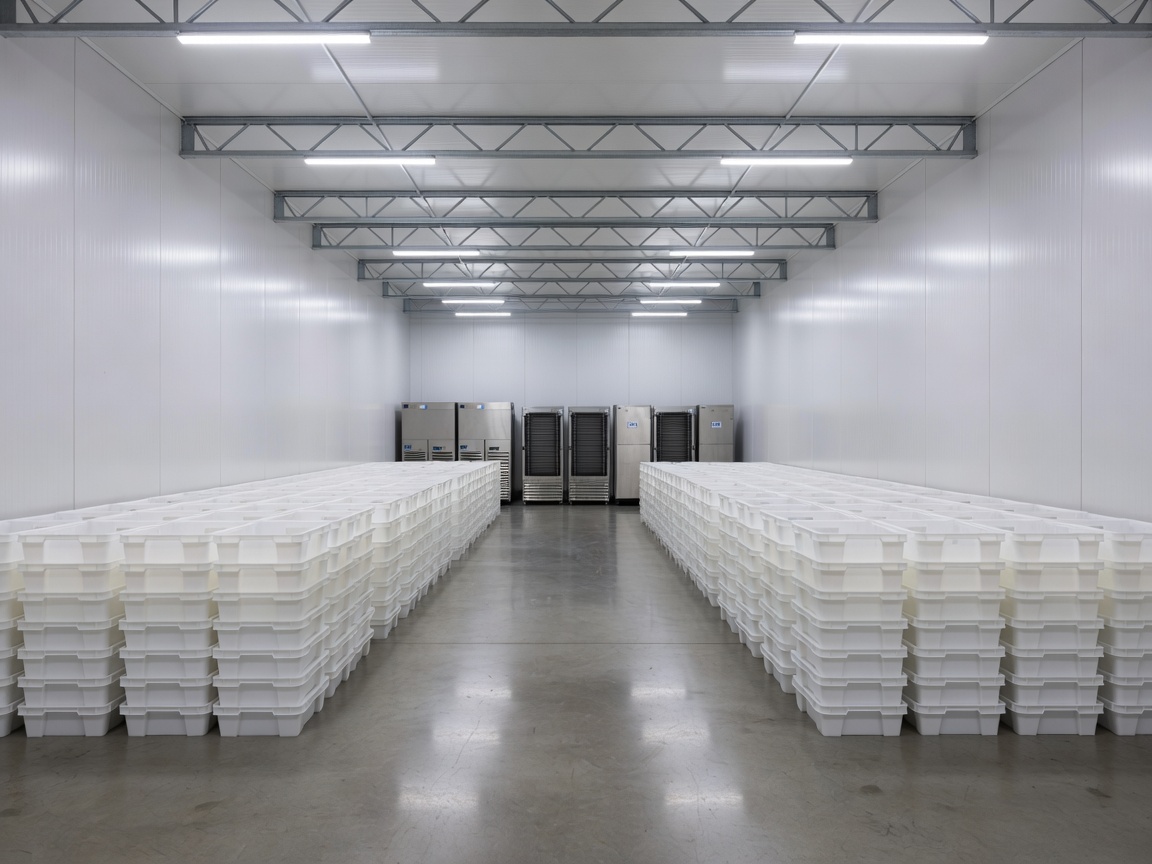
Start before the workload arrives.
Pre-season preparation should begin with the previous cycle’s records. Review alarms, temperature trends, door events, cleaning notes, maintenance reports and unresolved actions. The aim is not to create paperwork. It is to identify decisions before the room is full and access is limited.
Cleaning should be coordinated with product protection, drainage and drying time. Inspect panels, joints, floor surfaces, doors, seals, hinges and closers. Note damage, moisture and changes in condition. Insulation concerns should be assessed by competent personnel rather than patched with improvised materials.
Check readiness in layers.
Equipment inspection, monitoring-system review, documentation and staff briefings should be treated as separate tasks. A room can be clean but not ready for loading. A monitor can be active but not useful if alarms have no owner. A maintenance visit can be complete while operating records remain unclear.
Qualified refrigeration and electrical professionals must handle specialist inspection, testing, control changes and repairs. General planning information does not replace site-specific engineering requirements, manufacturer procedures or applicable local obligations.
Prepare for the busy period.
Seasonal workload changes access, door frequency, loading density and response time. Define who receives an alarm, who protects stock, who calls the service provider and where records are stored. Consider a contingency route for a room unavailable during planned or unplanned work. The plan should identify practical alternatives without claiming a guaranteed outcome.
Close the cycle properly.
Post-season preparation should record condition while events are fresh. Remove stock using an orderly process. Coordinate cleaning and drying. Review drainage, frost and condensation observations. Schedule planned maintenance while access is available. Archive reports with room documentation and update the next preparation list.
Key checks
- Previous records and unresolved actions have been reviewed.
- Cleaning, drying and drainage are coordinated.
- Doors, seals, panels and insulation condition are observed.
- Monitoring and alarm ownership are documented.
- Contingency contacts and service access are current.
What to plan
Use a seasonal checklist with owner, date, status and evidence. Separate operator observations from specialist engineering tasks. Schedule service work before peak demand. Compare expected crop mix with room capabilities and product compatibility. Update procedures after any significant equipment, room or workflow change.
Seasonal preparation converts a recurring rush into a controlled operating window.