Define the product before the room.
Different crops respond differently to temperature, humidity, airflow and neighbouring products. A planning brief should identify commodity, variety where relevant, incoming condition, expected storage duration and dispatch rhythm. Exact parameters must come from crop-specific professional guidance and applicable operational requirements.
Temperature is one control variable. Humidity affects weight loss, surface condition and quality. Airflow removes heat and supports even conditions, but excessive movement or unsuitable placement can affect the crop. Loading density, crate design and pallet arrangement change the path of air through the room.
Look for zones, not only averages.
A single reading may not describe the room. Door areas, corners, high stacks and locations near evaporators can behave differently. Sensor planning should consider representative locations, product height and operational access. Sensor placement is a high-level planning issue; final design and calibration belong with competent specialists.
Cold spots and warm zones may arise from loading, airflow obstruction, door-open events or equipment condition. Trend review is more useful than a single isolated number. Logs should connect temperature changes with loading, cleaning, defrost or dispatch activity.
Compatibility matters.
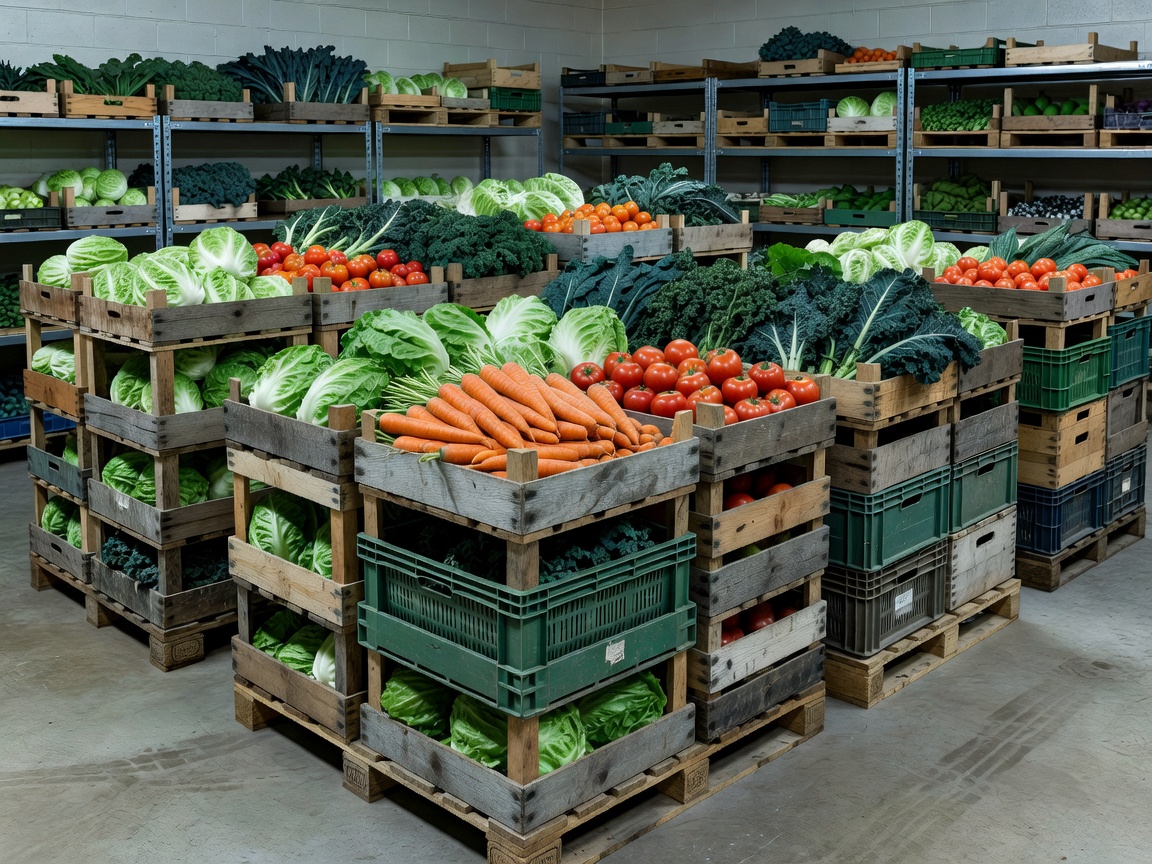
Mixed storage can create conflicts. Produce may differ in preferred humidity, sensitivity to ethylene, odour transfer or tolerance of airflow. A multi-commodity room requires careful segregation and a clear operating procedure. Separate rooms may offer better control but require more space, capital and maintenance planning.
Build the handling routine.
Loading should follow a defined route. Avoid blocking air paths. Keep doors open only as long as the task requires. Use a staging plan that protects the cold chain without creating unsafe congestion. Unloading should include a record of product movement and any observed condition change.
Storage duration is a planning variable. Longer holding increases the importance of records, stock rotation, condition inspection and contingency planning. Temperature logging does not replace product inspection or crop-specific advice.
Key checks
- Commodity requirements are documented before settings are selected.
- Humidity, airflow and loading density are considered together.
- Sensor locations represent actual storage conditions.
- Mixed-product compatibility has been reviewed.
- Logs connect trends with operating events.
What to plan
Prepare a product matrix. Include crop, incoming condition, intended duration, preferred operating range, humidity considerations, compatibility notes and escalation contacts. Review the matrix when the crop mix changes. Qualified refrigeration professionals should set or modify equipment controls, alarms and safety functions.
Good temperature control is a coordinated process: product, room, people and records.